The Future of Plastic Alternatives: A Shift Toward Sustainable Materials
Plastic pollution has become one of the most serious global challenges of our time. With billions of tons of plastic accumulating in oceans, landfills, and natural ecosystems, businesses and governments are under growing pressure to find sustainable alternatives.
The shift toward plastic alternatives is not only an environmental necessity but also a major economic opportunity. It is reshaping industries, supply chains, and consumer behavior. This article explores why plastic alternatives are essential, the materials driving this transformation, and how businesses worldwide are adopting greener solutions.
1. The Need for Plastic Alternatives
Environmental Impact of Plastic Waste
Plastic production and disposal contribute significantly to greenhouse gas emissions. Plastic can take hundreds of years to decompose, while burning it releases toxic chemicals that worsen air pollution. As fossil fuel resources decline, reliance on traditional plastics is becoming increasingly unsustainable.
Consumer Demand for Sustainability
Consumers are becoming more environmentally conscious and actively seeking biodegradable packaging and sustainable products. Ethical sourcing and eco-friendly materials are now key purchasing factors. Brands that ignore sustainability risk losing customer trust and long-term relevance.
2. Sustainable Alternatives to Plastic
Biodegradable Plastics
Derived from natural sources such as cornstarch, sugarcane, and cassava, biodegradable plastics break down naturally under the right environmental conditions.
Mushroom-Based Packaging
Packaging made from mycelium, the root structure of fungi, offers a compostable and durable alternative to materials like Styrofoam.
Seaweed and Algae-Based Materials
Seaweed-based materials are used to create biodegradable films and wrappers. These materials are renewable and have minimal environmental impact.
Recycled and Upcycled Materials
Many businesses are focusing on recycling and reusing existing plastic to reduce emissions and support a circular economy.
Plant-Based Paper and Fiber Alternatives
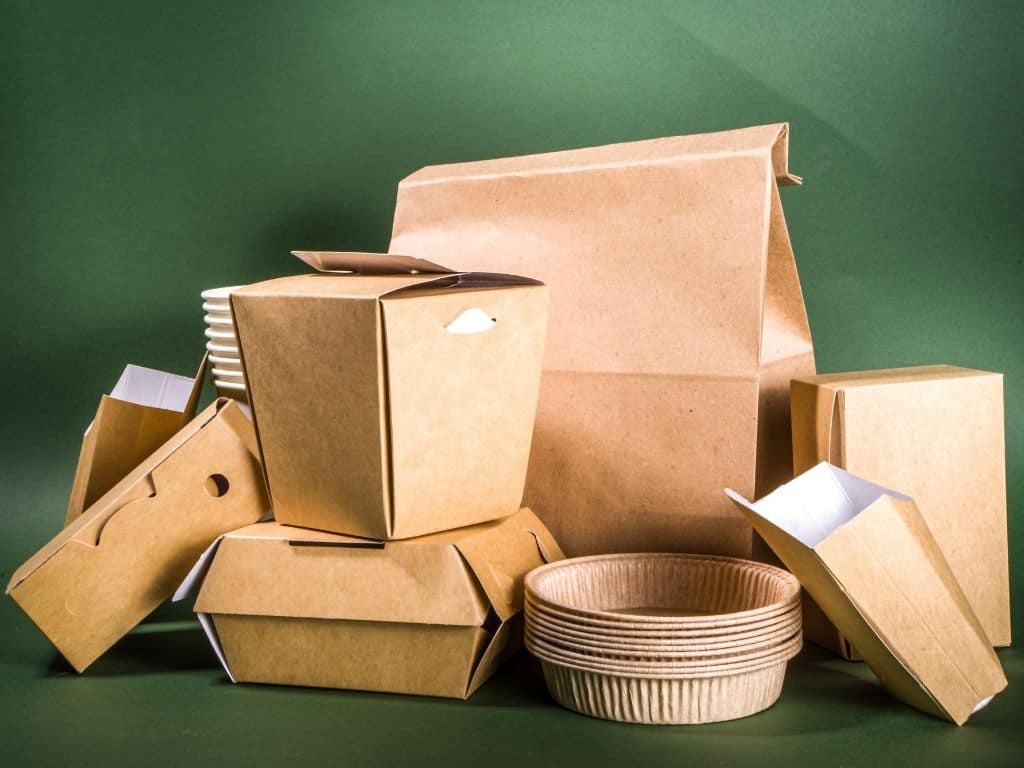
Products such as bamboo straws, paper bottles, and fiber-based packaging are gaining popularity and encouraging compostable product design.
3. How Businesses Are Reducing Plastic Usage
Retail and Packaging Sector
Large brands are shifting toward compostable packaging, refill systems, and reusable containers to reduce single-use plastic waste.
Food and Beverage Industry
Restaurants and cafes are eliminating plastic straws, cutlery, and takeaway containers, replacing them with biodegradable options.
Fashion and Apparel
Sustainable fashion brands are reducing dependence on synthetic fibers and experimenting with plant-based and recycled materials.
Technology and Electronics
Technology companies are incorporating biodegradable accessories and recycled components into devices and packaging.
4. Challenges and Opportunities in the Transition
Cost and Investment
Sustainable materials are currently more expensive than traditional plastics. However, as demand grows and production scales, costs are expected to decrease.
Regulations and Business Responsibility
Governments are introducing plastic bans, stricter regulations, and incentives to encourage businesses to adopt sustainable alternatives.
Consumer Awareness and Marketing
Educating consumers about the benefits and proper use of plastic alternatives is critical for wider acceptance and long-term success.
5. Future Prospects for Plastic Alternatives
Material Science and Innovation
Advancements in bioplastics, biodegradable polymers, and material science will drive the next generation of plastic alternatives.
Circular Economy and Waste Management
Businesses will increasingly adopt closed-loop systems focused on reuse, recycling, and sustainable product design.
Collaboration and Industry Partnerships
Collaboration between governments, corporations, and environmental organizations will accelerate innovation and adoption.
Consumer-Led Business Transformation
Consumer demand for eco-friendly products will continue to push companies toward sustainable practices.
We must take the path to a greener future—it is both a necessity and a requirement.
Businesses across industries are moving toward sustainable plastic alternatives, from biodegradable packaging to plant-based materials. While challenges such as cost and scalability remain, collective efforts by businesses, consumers, and governments are driving meaningful change.
Organizations that lead in sustainability will not only help protect the environment but also position themselves for long-term success in the growing green economy.