Last updated: October 2026
AI search visibility measures how often and how accurately artificial intelligence platforms cite your business when users ask questions. Tracking your brand across engines like Google AI Overviews, ChatGPT, and Perplexity requires checking for direct mentions, source links, and brand sentiment. Small businesses can monitor this visibility using manual prompts, web analytics referral logs, or specialized monitoring software.
Key Takeaways
- AI search visibility tracks whether conversational engines name your business as an answer, recommendation, or source link.
- Google Search Console and standard web analytics capture traffic sent from AI tools, but they do not show instances where an AI answers a query without sending a click.
- Manual prompt audits across platforms like ChatGPT, Microsoft Copilot, and Perplexity provide an immediate, zero-cost baseline for small businesses.
- Citing structured facts, schema markup, and third-party review platforms helps AI systems associate your brand with specific product categories.
What Is AI Search Visibility?
AI search visibility is the presence and positioning of your brand within answers generated by large language models and conversational search engines. Unlike traditional search engine results pages that list ranked links, AI search tools combine information from multiple websites into a single written answer. When an AI engine answers a user's prompt, it either mentions brand names directly in the text or cites them as clickable reference links.
Understanding this presence is part of generative engine optimization (GEO), which focuses on making content easy for machines to summarize. Traditional tools like best SEO tools for beginners track keyword rankings on standard pages, but conversational engines prioritize factual clarity and topical authority over raw backlink volume. Tracking visibility ensures your business is recommended accurately when consumers ask for product suggestions.
How to Track Your Brand Across AI Engines
You can monitor your presence across AI engines by running structured queries, checking referral traffic, and using automated tracking platforms. Here are the three practical methods you can use today.
Step 1: Run Manual Prompt Audits
Manual testing provides the clearest view of what potential customers see when searching for your services. Open major platforms—including Google Search (AI Overviews), ChatGPT, Perplexity, and Microsoft Copilot—in private or incognito windows so past search history does not alter the output.
Test four distinct prompt formats: - Direct brand queries: Ask "What does [Brand Name] do?" to confirm that the tool understands your core offerings. - Category recommendations: Ask "What are the best [product type] providers in [city/region]?" to see if you appear alongside competitors. - Comparison queries: Ask "Compare [Your Brand] vs [Competitor]" to check if pricing and feature data are accurate. - Problem-based queries: Ask questions your customers have, such as "How do I fix [problem your product solves]?"
Record the results in a simple spreadsheet. Note whether your brand was mentioned, whether a link to your website was included, and whether the description was factually correct.
Step 2: Monitor Referral Paths in Web Analytics
Web analytics platforms track the visitors who click through citations generated by conversational engines. Open your analytics dashboard (such as Google Analytics 4) and navigate to the Traffic Acquisition report.
Look for traffic sources originating from AI platforms. Perplexity usually appears under the referral source `perplexity.ai`. Traffic from ChatGPT often appears as a referral from `chatgpt.com` or `android-app://com.openai.chatgpt`. Visits from Microsoft Copilot typically show up as referrals from `copilot.microsoft.com` or `bing.com`. Set up a custom filter or segment to group these referrers into an "AI Search" channel so you can monitor week-over-week trends.
Step 3: Use Dedicated Tracking Software
Automated tools scan AI search engines daily to track how frequently your brand appears for target queries. While standard tracking suites are still adapting to conversational answers, several platforms now track AI Overviews and chat citations alongside traditional ranks.
| Tracking Method | Setup Cost (Approx. INR as of October 2026) | Setup Time | What It Tracks |
|---|---|---|---|
| Manual Audits | ₹0 (Free) | 1–2 hours weekly | Exact text mentions, context, tone, and source links across platforms. |
| Analytics Referral Logs | ₹0 (Free) | 30 minutes once | Actual clicks and conversions sent to your website from AI tools. |
| SEO Suites (e.g., Semrush, Ahrefs) | ₹9,500 – ₹25,000 per month (Check current pricing) | 1 hour | Google AI Overview appearances, traditional rank tracking, keyword overlap. |
| Dedicated GEO Tools (e.g., Otterly.AI, Peppertype) | ₹2,500 – ₹12,000 per month (Check current pricing) | 30 minutes | Mentions inside ChatGPT, Perplexity, and Claude across automated prompt lists. |
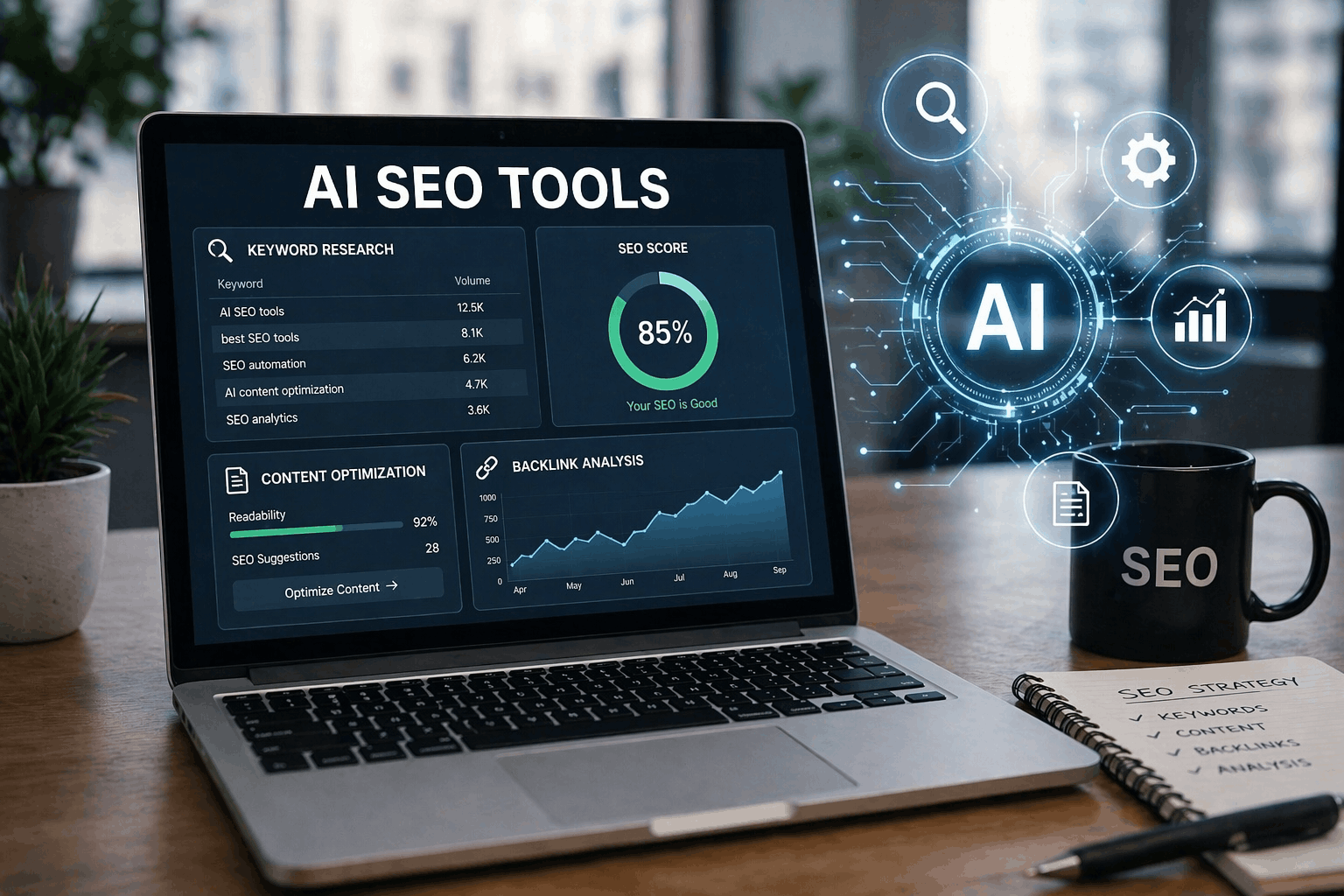
If you run a lean setup, using ai seo tools designed to track modern search patterns can save time over manual checks.
Why Does Brand Data Disappear or Show Up Incorrectly?
Brand data appears incorrectly in AI answers when models pull outdated web pages, unverified third-party reviews, or conflicting data across directories. Large language models do not verify facts the way humans do; they identify statistical patterns across the data they crawl.
If your website lists your service fee at ₹1,500 but a third-party directory from three years ago lists it as ₹999, the AI may present the outdated number. To prevent this, keep consistent data across your Google Business Profile, LinkedIn page, industry directories, and official website. Publishing clear, factual sentences helps ensure systems index accurate information, which relates closely to how AI content vs human content is evaluated by search algorithms.
Pros and Cons of Tracking AI Search Visibility
Pros
- Identifies factual errors and incorrect pricing in AI-generated answers before potential buyers see them.
- Reveals which competitors the algorithms consider your direct peers.
- Helps you discover new question-based keywords that buyers use during research.
- Clarifies whether your content marketing actually gets cited as an authoritative source.
Cons
- AI outputs are non-deterministic, meaning the same prompt can yield different answers across different days or user accounts.
- Conversational answers often resolve queries directly, causing high brand exposure but lower click-through rates to your site.
- Automated tracking software for conversational engines is still developing and adds extra software subscription expenses.
A Hypothetical Tracking Example
Suppose a boutique web design studio in Ahmedabad wants to check its visibility across AI search platforms.
The owner opens Perplexity and submits the query: "Who are the top boutique web design agencies for small businesses in Gujarat?"
The engine generates a list of four agencies. The owner's studio is not listed. However, the engine cites a local design directory and a blog post titled "Top 10 Design Agencies in Ahmedabad."
The owner reviews those cited sources and discovers that the agency is missing from the directory. The studio then submits updated business information to the directory and publishes an FAQ page on its own site detailing its services and pricing. Two weeks later, the owner reruns the prompt. The agency now appears as a cited reference in the third position of the generated answer.
Actionable Takeaway
- Select 10 core questions that prospective buyers ask about your specific product or service.
- Run those 10 questions through ChatGPT, Perplexity, and Google Search in incognito mode, logging the results in a spreadsheet.
- Build a custom channel group in your web analytics dashboard to monitor clicks coming from `perplexity.ai`, `chatgpt.com`, and related domains.
- Update your website's "About" page, pricing tables, and schema markup to ensure all core facts are written in clear, simple sentences.
Photo via Pexels