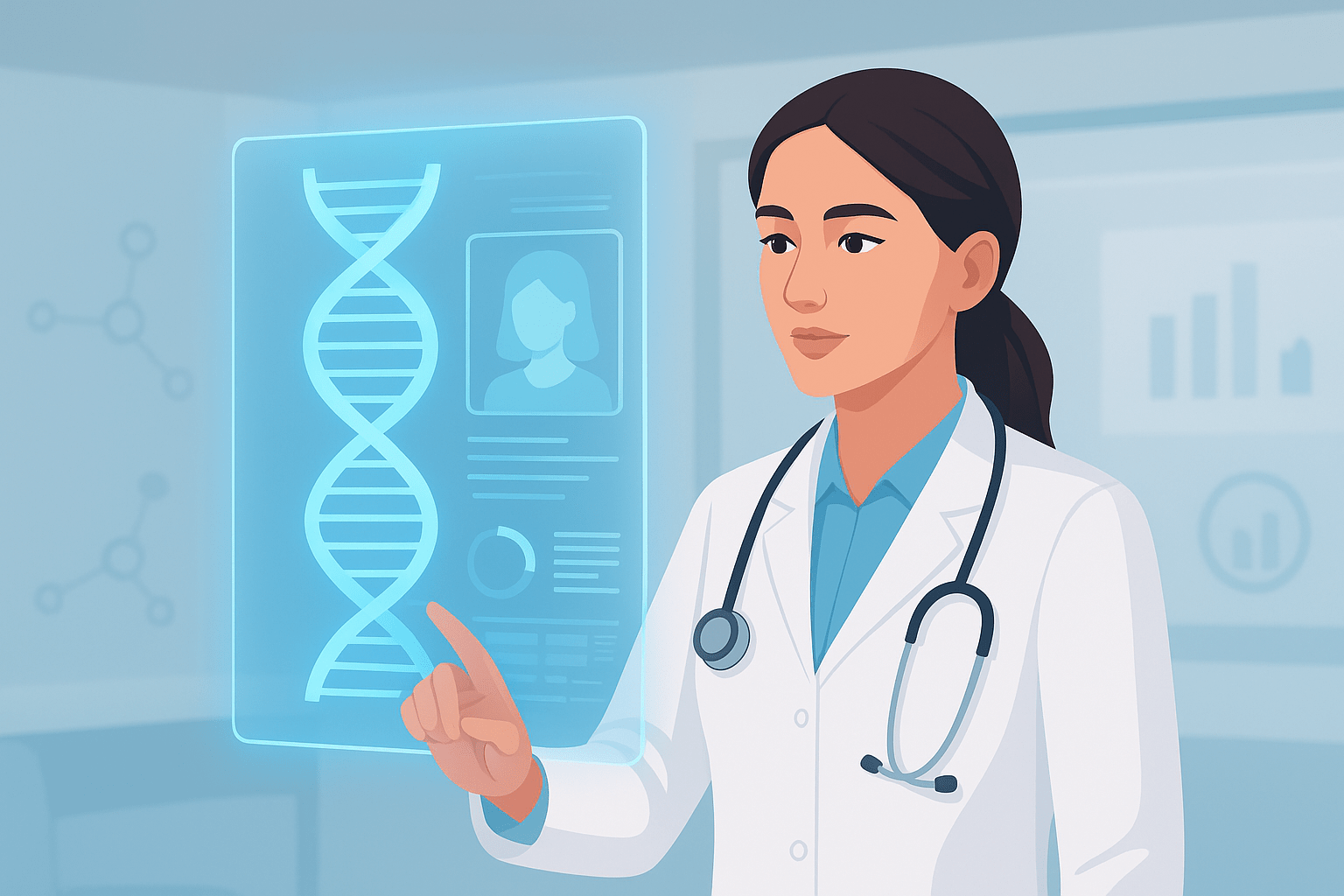
Moving Beyond “One-Size-Fits-All” Medicine
Personalized medicine is transforming modern healthcare by moving away from the traditional “one-size-fits-all” treatment model. Instead of applying the same therapies to every patient, healthcare providers are increasingly tailoring treatments based on an individual’s genetic profile, lifestyle, and environmental factors. This shift is enabling more precise, effective, and patient-centered care.
As this approach gains momentum, important questions arise: Is personalized medicine truly the future of healthcare? What benefits does it offer, and what challenges must be addressed to ensure its widespread adoption?
What Is Personalized Medicine?
Personalized medicine refers to medical treatments and preventive strategies that are customized to an individual’s genetic makeup, biological markers, and medical history. By leveraging genetic insights and advanced data analytics, clinicians can design therapies that are more accurate and better suited to each patient.
Why Personalized Medicine Matters
Enables early identification of disease risk before symptoms appear
Improves drug selection and dosage, reducing adverse effects
Enhances treatment effectiveness and patient outcomes
Key Components of Personalized Medicine
Genomic and Molecular Profiling
Analyzes DNA and molecular data to identify disease susceptibility
Pharmacogenomics
Tailors medications based on how a patient’s genes affect drug response
Biomarker Analysis
Uses biological indicators to track disease progression and treatment response
Artificial Intelligence and Big Data
Processes large health datasets to create individualized treatment strategies
Preventive Medicine
Focuses on early detection and lifestyle interventions based on risk profiles
How Personalized Medicine Is Transforming Healthcare
Improved Diagnosis and Prognosis
AI-driven genetic testing enables early prediction of conditions such as cancer, diabetes, and cardiovascular disease. This allows clinicians to intervene earlier and guide patients toward preventive lifestyle changes.
Targeted and Specialized Therapies
Treatments are designed based on genetic characteristics, ensuring greater effectiveness. In oncology, for example, targeted therapies such as HER2 inhibitors have significantly improved outcomes for specific breast cancer patients.
Reduced Drug Side Effects
Pharmacogenomics helps determine how patients metabolize medications, reducing the risk of underdosing or overdosing. Genetic testing is already used to personalize anticoagulant therapies and other high-risk medications.
Advances in Cancer Treatment
Personalized medicine has transformed oncology through approaches such as CAR T-cell therapy, which modifies a patient’s immune cells to target cancer. Innovations like liquid biopsies enable non-invasive cancer detection and monitoring.
Breakthroughs in Rare Disease Treatment
Precision medicine has enabled effective treatments for rare genetic disorders. Gene therapies have demonstrated life-changing results for conditions that previously had limited treatment options.
Integration of AI and Advanced Technologies
AI-powered diagnostic tools analyze complex patient data to recommend optimal treatments. Predictive analytics assist clinicians in selecting therapies with the highest likelihood of success for individual patients.
Challenges in Implementing Personalized Medicine
Despite its potential, several barriers remain:
High Costs and Limited Accessibility
Genetic testing and targeted therapies can be expensive, limiting widespread access
Privacy and Ethical Concerns
The collection and use of genetic data raise concerns about data security and misuse
Regulatory and Approval Delays
Personalized treatments often face lengthy approval processes due to complexity
Infrastructure and Research Gaps
Many healthcare systems lack the infrastructure to integrate genomics into routine care
Training and Workforce Readiness
Healthcare professionals require specialized training in genomics, AI, and precision medicine
The Future of Personalized Medicine
Advancements in artificial intelligence, genomics, and digital health are accelerating the adoption of personalized care. Key developments shaping the future include:
AI-powered predictive diagnostics capable of identifying disease years in advance
Gene-editing technologies such as CRISPR for correcting genetic disorders
Wearable devices enabling real-time health monitoring
Personalized vaccines and immunotherapies
Blockchain-based systems for secure and decentralized medical data management
Is Personalized Medicine the Future of Healthcare?
Personalized medicine is already reshaping healthcare by delivering more precise, effective, and patient-centered treatments. While challenges related to cost, regulation, and infrastructure remain, rapid progress in AI, genomics, and data-driven healthcare continues to address these limitations.
The future of medicine lies in recognizing that every patient is unique. Personalized medicine represents a fundamental shift toward customized, predictive, and preventive care—moving beyond one-size-fits-all treatment models and redefining how healthcare is delivered.