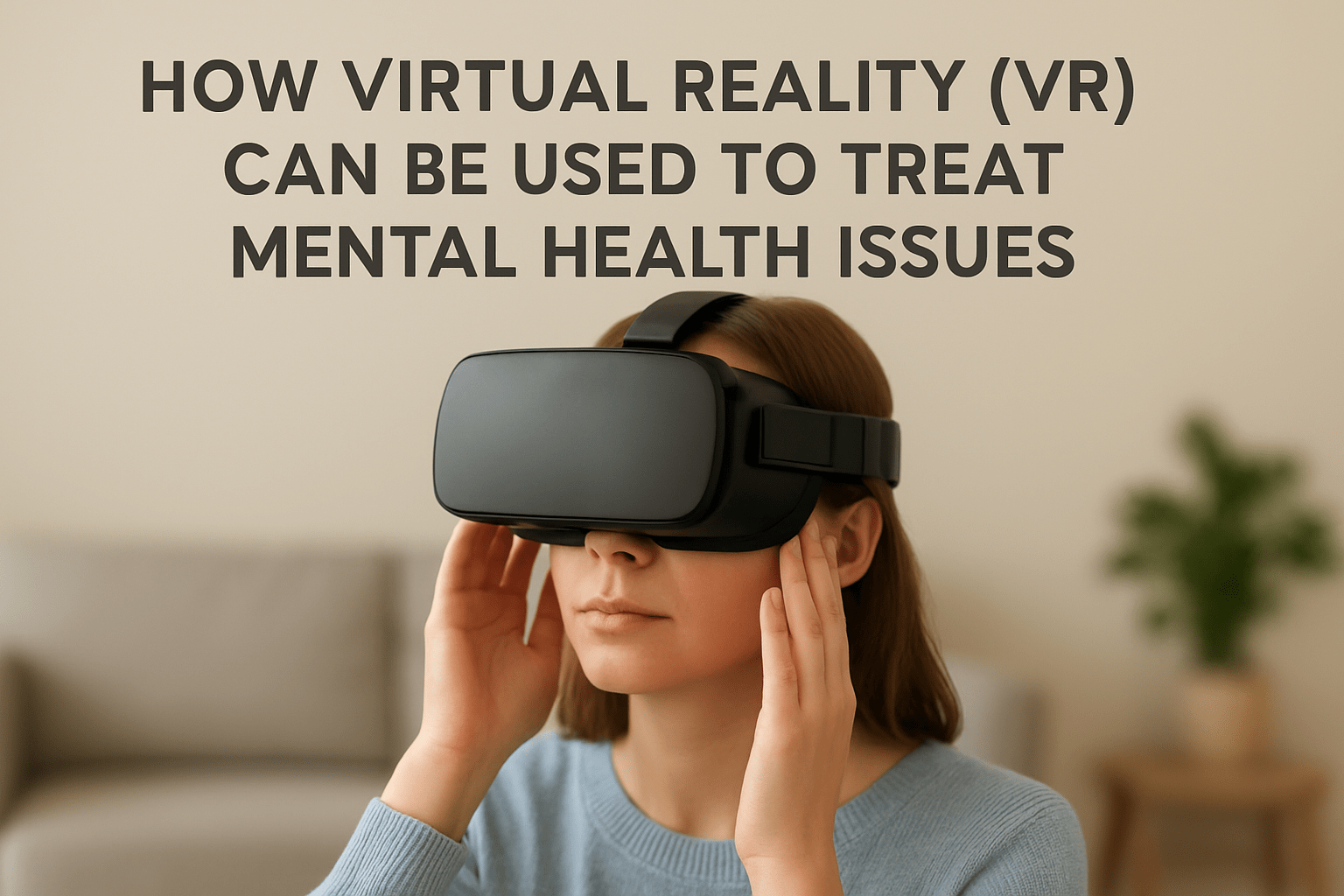
Mental health conditions such as anxiety disorders, phobias, depression, and post-traumatic stress disorder (PTSD) affect millions of people globally. In recent years, technological innovation has introduced new therapeutic tools, among which Virtual Reality (VR) has emerged as a promising solution. By creating immersive, controlled digital environments, VR is being increasingly used in mental health treatment, rehabilitation, and stress management.
Here we examines how Virtual Reality is transforming mental healthcare, its practical applications, key benefits, limitations, and future potential.
How Virtual Reality Supports Mental Health Treatment
Virtual Reality therapy uses simulated environments to deliver immersive therapeutic experiences. These environments allow patients to engage with scenarios in a safe, controlled, and repeatable manner, helping them regulate emotional responses and develop coping strategies.
VR-based therapy is designed to:
Reduce anxiety-driven thought patterns
Improve emotional regulation and relaxation
Strengthen cognitive processing and behavioral responses
Core Components of VR Therapy
Immersive digital environments that replicate real or calming settings
Controlled exposure therapy for trauma and phobias
AI-supported emotional and behavioral response analysis
Biofeedback systems to monitor physiological responses
Interactive and gamified elements to enhance engagement
Applications of Virtual Reality in Mental Health Care
Exposure Therapy for Anxiety and PTSD
VR enables gradual and controlled exposure to fear-inducing situations, helping patients process trauma safely. This approach is especially effective for PTSD treatment, including trauma experienced by veterans and accident survivors.
Enhancement of Cognitive Behavioral Therapy (CBT)
Virtual environments help reinforce CBT by simulating real-life scenarios. Patients with social anxiety, for example, can practice communication skills in virtual social settings.
Mindfulness and Relaxation Therapy
VR-guided meditation and relaxation sessions place users in calming virtual environments such as forests or coastal landscapes, supporting stress reduction and emotional balance.
Pain Management and Trauma Desensitization
VR distraction therapy has been shown to reduce pain perception during medical procedures and assist with trauma desensitization.
Addiction Treatment and Behavioral Rehabilitation
VR simulations allow individuals to practice coping strategies in high-risk situations, supporting addiction recovery and relapse prevention.
Autism Spectrum Disorder (ASD) and Social Skills Training
VR-based programs help individuals with ASD practice social interactions in structured, repeatable environments, improving communication and confidence.
Depression Therapy and Emotional Regulation
Virtual environments encourage positive behavioral activation and self-reflection, supporting emotional regulation in individuals with depression.
Benefits of VR in Mental Health Therapy
Gradual and controlled therapeutic exposure
Higher patient engagement and treatment adherence
Personalized therapy experiences through adaptive systems
Reduced dependence on medication-based treatments
Expanded access through remote and home-based therapy options
Challenges and Ethical Considerations
Despite its potential, VR therapy faces several limitations:
High costs associated with advanced VR equipment
Possible side effects such as motion sickness or disorientation
Data privacy and security concerns related to sensitive health information
Limited long-term clinical research in some treatment areas
Need for professional supervision to ensure therapeutic effectiveness
The Future of Virtual Reality in Mental Healthcare
Advancements in artificial intelligence, neuroscience, and haptic feedback technologies are expected to further enhance VR therapy. Emerging trends include:
AI-driven virtual therapy assistants
Virtual group therapy and peer-support environments
Neurofeedback integration for real-time brain activity monitoring
Workplace-focused VR stress management solutions
Affordable, home-based VR therapy platforms
Virtual Reality is redefining mental health treatment by making therapy more immersive, engaging, and adaptive. Its applications range from anxiety and PTSD treatment to addiction recovery and social skills training. While challenges related to cost, research, and ethics remain, continued technological development and clinical validation are likely to establish VR as a mainstream therapeutic tool.
Virtual Reality represents a significant step forward in mental healthcare. With responsible implementation, professional oversight, and ongoing research, VR has the potential to make mental health treatment more accessible, personalized, and effective in the years ahead.


