Automation and the Future of Human Jobs
Every industry is set to benefit from automation, although there is ongoing skepticism about its impact on the human workforce. The key question is not whether automation will grow, but whether technology will support human workers or eventually replace them. This article examines the global impact of automation on employment by exploring both opportunities and concerns.
The Rise of Automation
Automation includes a wide range of technologies such as Artificial Intelligence (AI), Machine Learning (ML), Robotics, and the Internet of Things (IoT). As these technologies evolve, not only physical tasks but also cognitive and decision-based functions are being automated.
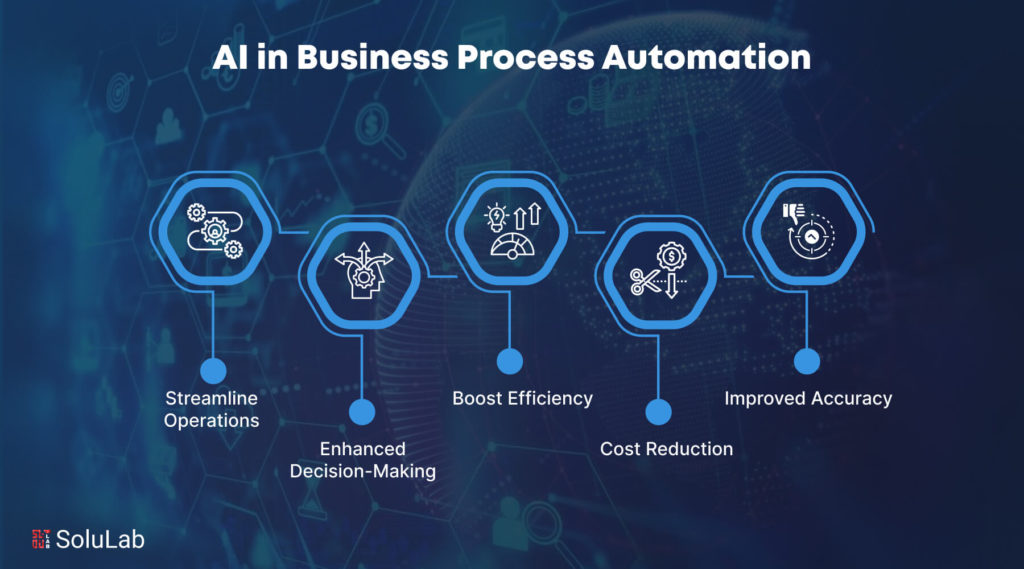
From chatbots handling customer queries to AI systems assisting in complex medical diagnoses, automation is rapidly becoming part of everyday business operations. Organizations are adopting automation to improve productivity, reduce costs, and increase efficiency across departments.
Key Sectors Affected by Automation
Manufacturing
The manufacturing sector has seen extensive use of robotics and AI, particularly in assembly lines. Automation improves production speed, consistency, and quality while reducing human error.
Healthcare
AI-driven diagnostics, robotic surgeries, and automated administrative tasks are transforming healthcare. These technologies enable faster diagnoses and improve patient care, while robotic prosthetics enhance mobility for people with disabilities.
Finance
Automation in finance includes algorithmic trading, AI-based risk assessment, and automated customer support. Chatbots and robo-advisors are streamlining financial planning and banking services.
Retail and E-Commerce
AI-powered inventory management, cashier-less stores, and automated warehouses are reshaping retail operations. Recommendation engines and dynamic pricing models improve customer experience and sales efficiency.
Transportation
Self-driving vehicles, automated logistics, and drone deliveries are redefining transportation. AI-based traffic management systems are helping cities reduce congestion and improve mobility.
Agriculture
Precision farming, automated irrigation, and drone-based crop monitoring are increasing agricultural productivity while minimizing resource waste.
Education
AI-powered learning platforms and automated grading systems are making education more personalized, scalable, and accessible.
The Human Workforce: At Risk or in Transition?
While automation raises fears of job loss, it also creates opportunities for new roles. The real challenge lies in reskilling and upskilling workers to adapt to changing job requirements.
Jobs Most Vulnerable to Automation
Data entry and clerical work
Telemarketing and routine customer support
Assembly line roles
Accounting and bookkeeping
Transportation jobs such as drivers
Retail roles including cashiers
Legal administrative tasks
Jobs More Resistant to Automation
Art, design, writing, and music
Healthcare roles requiring human judgment and empathy
Education and academic research
Engineering and AI development
Skilled trades such as electricians and plumbers
Senior management and leadership roles
Cybersecurity and ethical hacking
The Future Workforce: Human–AI Collaboration
Automation is more likely to enhance human capabilities rather than replace them entirely. The future of work will focus on collaboration, where machines handle repetitive and data-heavy tasks while humans concentrate on creativity, strategy, and decision-making.
Key Trends Shaping the Future of Work
Hybrid Work Models
Humans and AI working together in areas such as legal research, finance, and medical diagnostics.
Growing Importance of Soft Skills
Skills like emotional intelligence, critical thinking, adaptability, and leadership will gain value.
Emergence of New Job Roles
Roles in AI ethics, robotics maintenance, automation auditing, and digital transformation will grow.
Lifelong Learning Culture
Continuous education through online courses, certifications, and workplace training will become essential.
Expansion of the Gig Economy
Automation may increase freelance and contract-based work, encouraging multi-skilled professionals.
Economic and Ethical Considerations
While automation drives efficiency, it also raises serious concerns:
Wage polarization between high-skill and low-skill workers
Anxiety around job displacement
Bias in AI algorithms affecting hiring and lending decisions
Reduced human interaction in services like healthcare and customer support
Government and Corporate Responsibility
To manage the transition effectively, coordinated efforts are required:
Education systems must integrate AI and automation skills
Companies should invest in reskilling and upskilling programs
Universal Basic Income (UBI) is being discussed as a safety measure
Ethical AI development should remain a priority
Public–private partnerships can support workforce transition and digital literacy
Conclusion
The debate around automation and jobs is not about replacement, but transformation. The future workforce must focus on adaptability, continuous learning, and collaboration with technology. With the right policies and training, automation can lead to a more innovative, productive, and inclusive job market.
While machines will continue to evolve, human creativity, empathy, and strategic thinking remain irreplaceable. The future of work is not humans versus machines—it is humans and machines working together.