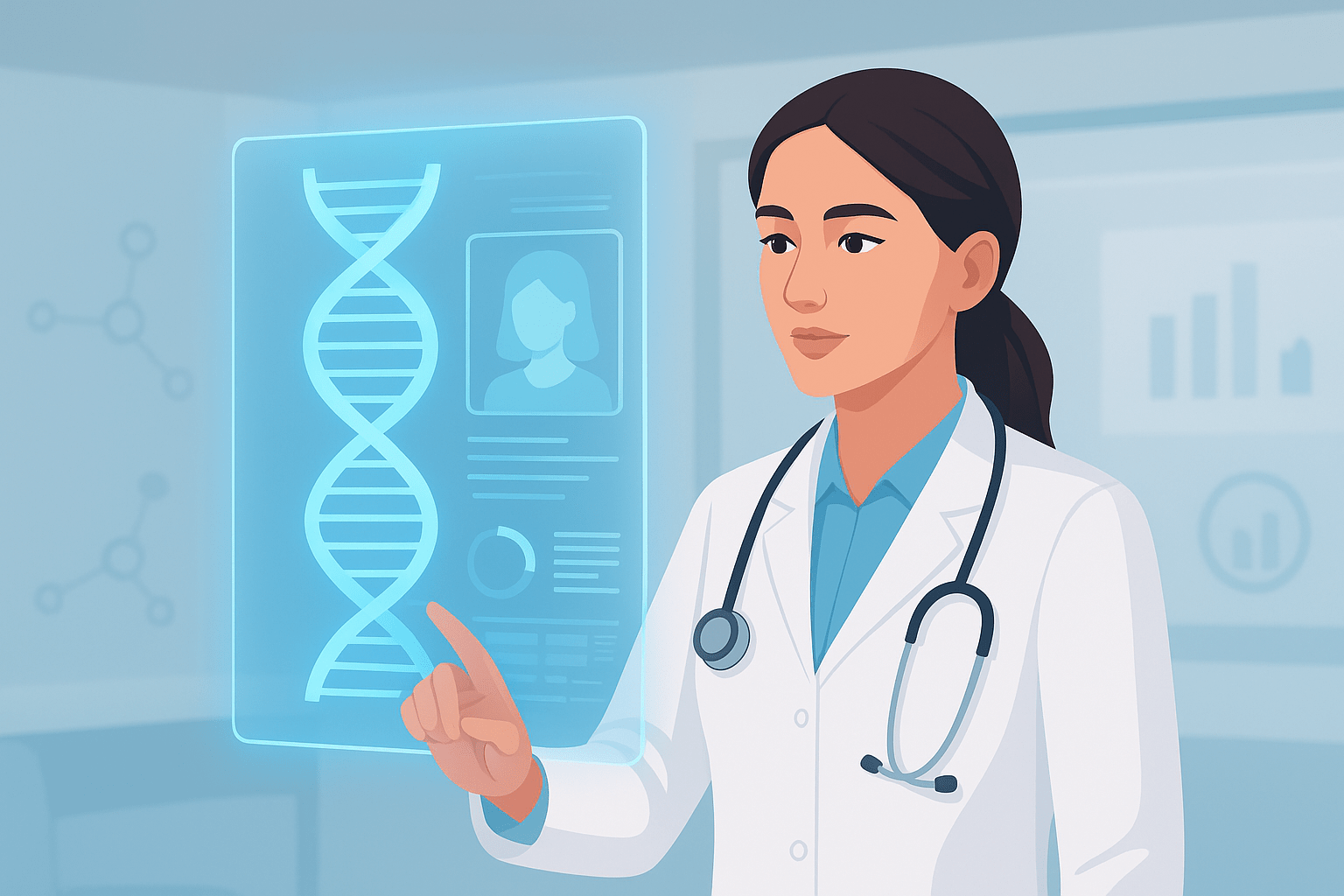
The healthcare ecosystem is undergoing a massive transformation with telemedicine, enabling remote patient interactions, AI-assisted diagnosis, and virtual health management. With these advancements, a critical question arises:
Will doctors ever become completely virtual?
This article explores how telemedicine technology is evolving, the benefits, challenges, AI & robotics integration, and its impact on patient-physician relationships.
Understanding Telemedicine
Telemedicine refers to the remote delivery of healthcare using:
Video calls | Health apps | Wearable devices | AI-powered diagnosis
This medi-tech ecosystem connects doctors and patients, making healthcare more accessible and affordable.
Types of Telemedicine Services
1️⃣ Live Video Consultations – Real-time virtual doctor visits.
2️⃣ Store-and-Forward Telemedicine – Securely transmitting medical data for later review.
3️⃣ Remote Patient Monitoring (RPM) – Continuous health tracking via smartwatches & devices.
4️⃣ AI-Assisted Healthcare – Chatbots & AI tools assisting in diagnosis.
How Telemedicine is Transforming Healthcare
1. Improved Accessibility
✔ Patients in rural areas can consult doctors without traveling.
✔ Elderly & disabled patients get medical help from home.
✔ 24/7 healthcare access improves emergency response.
2. Affordable Healthcare
✔ Reduces hospital visits, travel costs & waiting times.
✔ AI-driven consultations prevent unnecessary ER visits.
✔ Subscription-based telehealth apps lower healthcare expenses.
3. AI & Automation in Diagnostics
✔ AI-powered symptom checkers help in self-diagnosis.
✔ Machine learning predicts health risks based on history.
✔ AI imaging tools aid in faster & more accurate diagnosis.
4. Wearables & Remote Health Monitoring
✔ Devices track heart rate, BP, glucose & oxygen levels.
✔ RPM enables real-time monitoring for chronic conditions.
✔ Example: Continuous glucose monitors (CGMs) help manage diabetes.
5. Robotic Surgery & Virtual Procedures
✔ Remote-controlled robotic surgery allows specialists to operate globally.
✔ Example: da Vinci Surgical System enables precision surgeries.
✔ VR-based training enhances surgical skills.
6. Telepsychiatry & Mental Health Services
✔ Virtual therapy sessions improve mental health access.
✔ AI chatbots like Woebot & Wysa provide instant support.
✔ Reduces stigma related to in-person mental health consultations.
7. E-Prescriptions & Digital Pharmacy
✔ Medications delivered to patients’ doorsteps.
✔ AI-generated prescriptions minimize errors.
✔ Medication reminder apps ensure timely intake.
Will Doctors Be Fully Virtual in the Future?
No! Virtual care cannot completely replace human doctors.
Why Not?
1️⃣ Physical Procedures Need In-Person Care – Surgery, physical exams & diagnostics require direct interaction.
2️⃣ Lack of Human Connection – Some patients prefer face-to-face communication over virtual calls.
3️⃣ Legal & Ethical Concerns – Privacy laws & doctor licensing vary by region.
4️⃣ Cybersecurity Risks – Increased data breaches & hacking threats.
5️⃣ Tech Accessibility Issues – Elderly patients & those in low-tech areas struggle with digital healthcare.
The Future of Telemedicine: A Hybrid Model
The goal is not to replace doctors but to enhance healthcare with AI, automation, and digital integration.
Upcoming Developments in Telemedicine
✔ AI-Powered Virtual Assistants – Answer common patient queries.
✔ AR & VR in Healthcare – Used for training & remote surgeries.
✔ Blockchain for Health Data – Secure medical records & protect privacy.
✔ Smart Homes with AI Monitoring – Home care solutions with real-time tracking.
✔ 5G-Enabled Telemedicine – High-speed virtual consultations & robotic surgeries.
Telemedicine is revolutionizing healthcare, making it cheaper, faster, and more accessible. However, doctors will never be completely virtual—instead, AI, wearables, and telehealth will work alongside human physicians to provide hybrid healthcare solutions.
Is Telemedicine the Future of Healthcare?
✔ YES! Remote consultations, AI-based diagnostics & smart wearables are the future.
✔ But human compassion & in-person care remain irreplaceable.
Technology enhances healthcare— but real healing still requires human touch!