Does Gamification Improve Learning Retention?
Traditional education methods often struggle to keep learners motivated and engaged. As a response, educators and organizations have increasingly adopted gamification—the use of game-based elements in non-game learning environments. While gamification is widely praised for making learning more engaging, an important question remains: does it genuinely improve knowledge retention?
This article examines gamification in education, its psychological foundations, real-world applications, and its effectiveness in enhancing learning retention.
Understanding Gamification in Learning
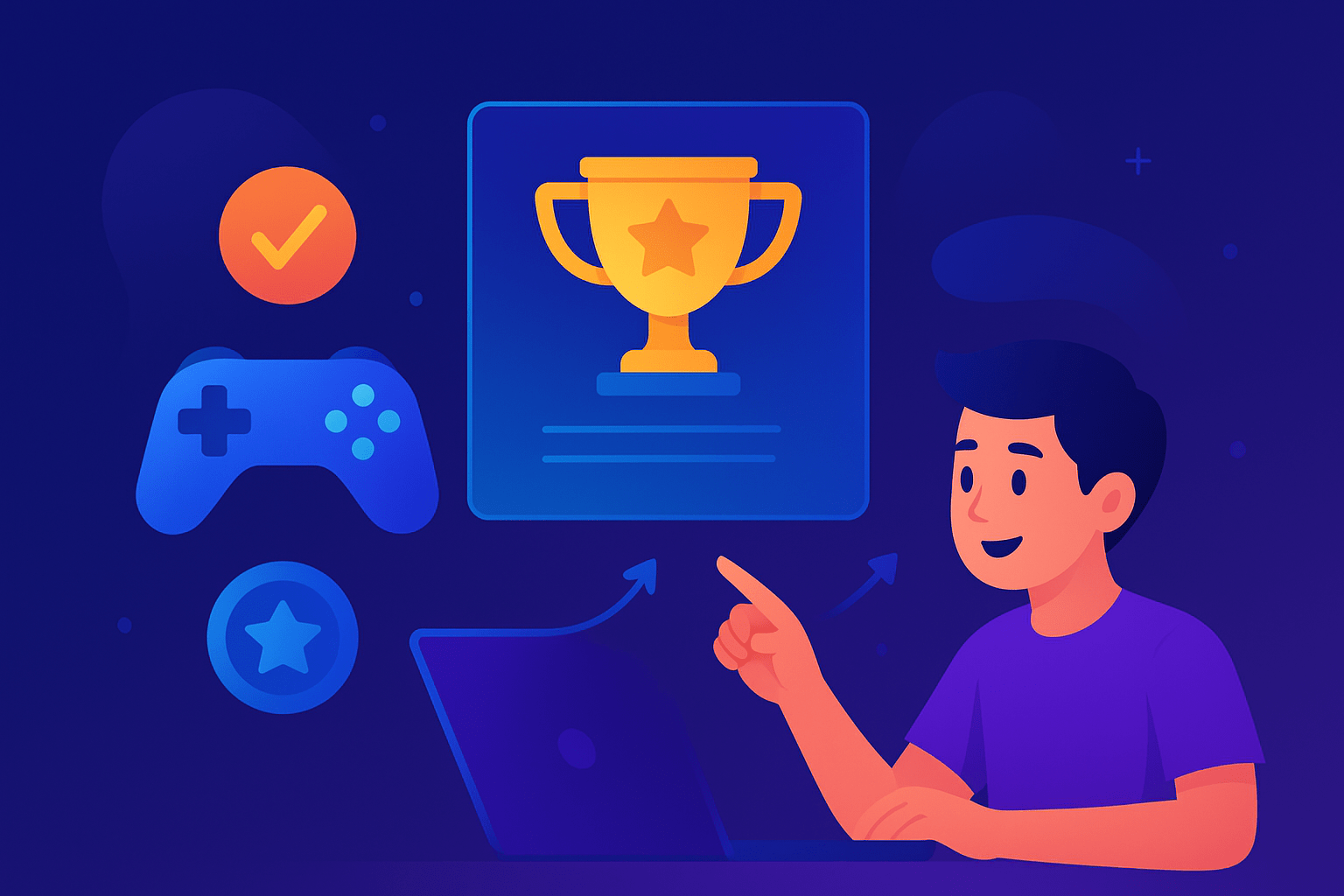
Gamification refers to the integration of game mechanics into educational or professional learning activities. These mechanics include elements such as points, badges, leaderboards, challenges, and rewards. When applied effectively, gamification transforms passive learning into an interactive experience that motivates learners and reinforces retention.
By introducing structured incentives and progress tracking, learners become more involved in the learning process and are more likely to revisit and retain information.
Key Elements of Gamification
Points and Rewards
Learners earn points for completing lessons, quizzes, or milestones.
Badges and Achievements
Visual recognition of progress and accomplishments.
Leaderboards
Track performance and encourage healthy competition.
Challenges and Missions
Task-based learning that promotes problem-solving and critical thinking.
Storytelling and Narratives
Contextual frameworks that make learning more immersive.
Instant Feedback
Immediate responses that help learners identify mistakes and improve quickly.
The Psychological Basis of Gamification
Gamification draws on several well-established psychological principles that influence motivation and memory.
Dopamine and Motivation
Reward-based systems stimulate dopamine release, reinforcing learning behavior and increasing motivation.
Intrinsic and Extrinsic Motivation
Gamification blends intrinsic motivation (enjoyment, mastery, curiosity) with extrinsic motivation (points, badges, certificates), creating a balanced incentive structure.
Active Participation and Engagement
Active involvement enhances comprehension and recall. Gamified environments encourage learners to interact, explore, and experiment.
Repetition and Reinforcement
Levels, quizzes, and progressive challenges reinforce concepts through repetition, strengthening long-term memory.
How Gamification Improves Retention
Increased Engagement
Gamification reduces monotony and keeps learners focused through interactive elements.
Emotional Connection to Learning
Positive emotions such as excitement, curiosity, and competition enhance memory retention.
Personalized Learning Experiences
Adaptive gamification adjusts difficulty and content based on learner progress, improving understanding.
Immediate Feedback and Progress Tracking
Real-time feedback allows learners to correct mistakes quickly and build confidence.
Social and Collaborative Learning
Leaderboards and group challenges encourage collaboration, discussion, and peer learning.
Real-World Applications of Gamification
Language Learning Platforms
Applications like Duolingo use streaks, points, and levels to improve vocabulary retention and consistency.
Classroom Learning Tools
Platforms such as Kahoot! gamify assessments, making classroom learning more interactive and memorable.
Corporate Training Programs
Organizations use gamified learning to enhance employee engagement, skill acquisition, and knowledge retention.
Challenges and Limitations of Gamification
Despite its benefits, gamification has limitations:
Overemphasis on rewards may distract from learning objectives
Poorly designed systems may fail to sustain long-term engagement
Competitive leaderboards can discourage lower-performing learners
Development and implementation can require significant investment
Best Practices for Effective Gamification
Align game mechanics with learning objectives
Balance engagement with educational value
Encourage collaboration rather than excessive competition
Use meaningful and relevant rewards
Continuously evaluate and refine gamification strategies
The Future of Gamification in Learning
Emerging technologies are expanding the scope of gamification:
AI-driven adaptive learning systems
Virtual and augmented reality for immersive education
Blockchain-based digital credentials and skill verification
These innovations will make gamified learning more personalized, secure, and scalable.
Does Gamification Improve Retention?
Yes. Research and practical implementations consistently show that gamification enhances engagement, motivation, and retention—when applied thoughtfully. The most effective gamified learning environments emphasize active participation, not just rewards.
Gamification is not a replacement for sound instructional design, but when integrated strategically, it can significantly enhance both educational and corporate learning outcomes.