How UPI & Digital Payments Are Changing India’s Economy
Digital payments, especially UPI, have quietly become part of everyday life in India. From paying a roadside chaiwala to settling large business transactions, money now moves with just a few taps. This shift has brought speed, convenience, and wider financial access—but it has also changed user behavior and spending habits in ways we often overlook.
What’s changing for the economy and for us as users:
Faster money movement: Payments that once took hours or days now happen instantly, improving cash flow for individuals and businesses.
Wider financial inclusion: Small vendors, rural users, and first-time bank account holders can now participate in the digital economy.
Reduced cash dependency: Digital trails improve transparency and reduce reliance on physical cash.
But there’s another side we must acknowledge:
Rise in online and digital frauds: Phishing links, fake QR codes, and scam calls have increased as users rush through payments.
Careless transactions: Speed often replaces caution, leading to wrong transfers and impulsive approvals.
Unnecessary spending: Easy payments make small expenses feel invisible, slowly increasing monthly outflow without realization.
Lower financial awareness: Many users adopt digital tools without understanding security basics or money management.
UPI is not just a payment system—it’s a habit now. And like any powerful habit, it can work for us or against us. The real challenge is not adopting digital payments, but using them responsibly. Awareness, patience, and smart decision-making are essential to ensure that digital convenience strengthens the economy without weakening personal finances.
The Rise of UPI and Digital Payments in India
The digital revolution has brought remarkable advancements, and one of the most significant transformations in India has been the rise of Unified Payments Interface (UPI) and other digital payment methods. Introduced by the Indian government, UPI has accelerated digital transactions across sectors and changed how individuals and businesses handle money.
This article explores the impact of UPI on India’s economy, its benefits, challenges, and future potential.
The Rise of UPI in India
What is UPI?
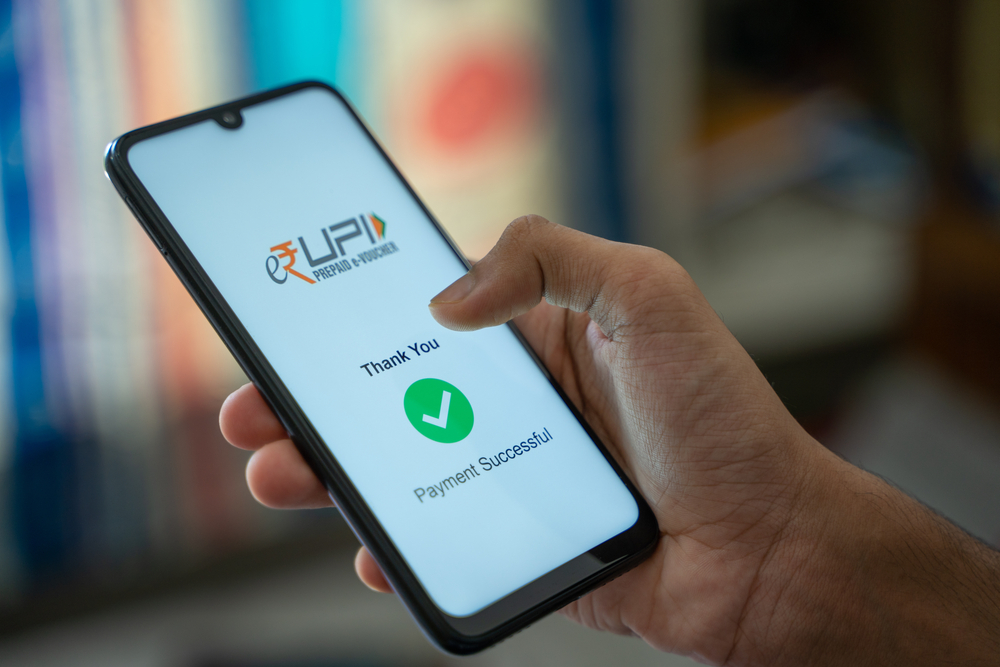
UPI, developed by the National Payments Corporation of India (NPCI), is an instant payment system that allows users to link multiple bank accounts to a single mobile application. Transactions are completed using a UPI ID, removing the need to share sensitive bank details.
Growth of UPI Transactions
Since its launch in 2016, UPI has experienced rapid growth. By 2023, monthly transaction volumes crossed 10 billion, showing widespread adoption across urban and rural areas. Today, more than 300 banks and numerous payment service providers are connected to the UPI network, making it the backbone of India’s digital payment ecosystem.
How Digital Payments Are Transforming India’s Economy
Financial Inclusion
UPI has played a major role in bringing previously unbanked populations into the financial system.
People in remote areas can now send and receive money without debit or credit cards
Aadhaar-linked accounts and the Jan Dhan Yojana have strengthened financial accessibility
Move Towards a Cashless and Transparent Economy
Reduced dependence on cash helps limit corruption and tax evasion
Digital transactions create a transparent audit trail, discouraging black money circulation
Economic Growth and Digital Entrepreneurship
Small businesses, freelancers, and startups benefit from instant and low-cost transactions
Merchants can accept payments without investing in expensive POS machines
Boost to E-commerce and Online Services
UPI has supported the rapid growth of e-commerce, food delivery, and subscription services
Platforms such as Amazon, Flipkart, Swiggy, and Zomato rely heavily on UPI payments
Benefits of UPI and Digital Payments
Ease of Use and Convenience
Instant money transfers through smartphones
QR-based payments and peer-to-peer transactions simplify daily payments
Low Transaction Costs
Most UPI transactions are free or significantly cheaper than card-based payments
Open and Interoperable System
Users can transact seamlessly across different banks and payment apps
Security and Fraud Protection
Multi-factor authentication and encryption protect user data
Features like UPI PIN and AutoPay add extra layers of security
Challenges and Risks in UPI Adoption
Cybersecurity Threats
Phishing, fake payment links, and identity fraud remain key concerns
User awareness and safe digital practices are essential
Internet Dependency
Reliable internet access is still limited in some rural regions
Continued investment in mobile and broadband infrastructure is necessary
Regulatory and Policy Uncertainty
Changes in transaction fees, data regulations, or taxation may affect fintech growth
The Future of UPI and Digital Payments in India
Global Expansion
UPI is gaining international acceptance in countries such as Singapore, the UAE, and Nepal. India has the opportunity to export its digital payment infrastructure and establish itself as a global fintech leader.
Integration with AI and Blockchain
AI-driven fraud detection will strengthen transaction security
Blockchain technology could enable smart contracts and greater transparency
Growth of Digital Lending and BNPL
UPI-linked credit and microloan services will expand access to finance
Buy Now, Pay Later models will offer more flexibility to users
Collaboration Between Banks and Fintech Companies
Partnerships will drive innovations in investments, insurance, and digital financial services
End Of Line That:
UPI and digital payments have reshaped India’s economic landscape by improving financial inclusion, supporting entrepreneurship, and encouraging transparent transactions. While challenges such as cybersecurity risks and regulatory changes remain, consistent investment in technology, infrastructure, and policy frameworks will ensure long-term sustainability.
As India moves toward a fully digital economy, UPI is set to remain a central pillar of the country’s financial ecosystem.